Boho Font: A Stylish Choice for Web Design
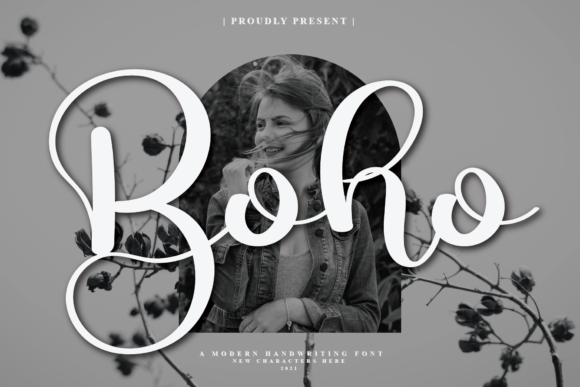
While working on a boutique online store project, I found myself searching for a font that could bring a touch of elegance and personality to the site’s visual identity. After testing several options, Boho stood out as a perfect fit. Its sweet, round lettering and chic handwritten style made it ideal for both casual and formal designs.
Boho is a script font that exudes warmth and approachability. The rounded shapes and flowing lines give it a friendly, almost playful vibe, while the subtle details add a level of sophistication. It feels like a personal signature, making it ideal for branding that wants to feel authentic and human.
One of the first places I tested Boho was in the hero section of the website. The headline, "Discover Unique Handmade Goods," looked effortlessly elegant with the font. It added a sense of character without overwhelming the design. The font’s readability was impressive even at larger sizes, which is crucial for a strong visual impact.
When considering where to use Boho, I thought about its versatility. It works well in headers, call-to-action buttons, and short phrases. For example, on a product landing page, using Boho for the main title created a clear visual hierarchy while maintaining a cohesive aesthetic. It also paired beautifully with a clean sans serif font for body text, balancing creativity with legibility.
Readability is always a concern when using a script font, especially on mobile screens. I tested Boho on smaller devices and found that it remained readable as long as it wasn’t used in large blocks of text. For mobile layouts, I kept it reserved for headings and short labels, ensuring that users could easily scan the content without strain.
Another consideration was how Boho would look over image banners or dark backgrounds. In one instance, I used it on a dark background with a light overlay. The font contrasted well, maintaining clarity while adding a stylish touch. On light backgrounds, it still held up, though I noticed that bolder weights worked better for high-contrast scenarios.
For a coaching website, I used Boho in the header and logo text. It gave the site a more personal and creative feel, aligning with the brand’s mission of helping others express themselves. The font’s softness complemented the site’s overall tone, making it feel welcoming and trustworthy.
Boho also proved useful in social media graphics and digital ads. Its handwritten style added a unique flair that stood out in a crowded space. When paired with a modern sans serif, it created a balanced look that felt both professional and creative.
When choosing a font for a project, it's important to consider the full range of styles and weights available. Boho includes multiple alternates and weights, allowing for greater flexibility in design. This makes it easier to adapt the font to different parts of a website without losing its visual integrity.
For web designers, the availability of webfont formats is essential. Boho is available in standard webfont formats, making it easy to integrate into a site’s CSS. Before using it on a client project, I checked the licensing terms to ensure it was suitable for commercial use, which it was.
Boho’s appeal extends beyond just aesthetics. It can help build a stronger brand identity by adding a unique voice to a website. Whether used in a portfolio homepage, a blog header, or a campaign landing page, it brings a sense of personality that resonates with audiences.
When pairing fonts, I often look for contrast that enhances readability without creating visual chaos. Boho pairs well with serif and sans serif fonts, offering a versatile foundation for a wide range of design needs. For editorial-style websites, combining it with a classic serif font can create a refined and timeless look.
In a digital brand kit, Boho can serve as a key element in logos, stationery, and marketing materials. Its consistency across different mediums helps reinforce brand recognition. As a designer, I appreciate how it can be adapted to fit various contexts while maintaining its distinct character.
Overall, Boho is a valuable addition to any web designer’s toolkit. Its blend of charm and professionalism makes it suitable for a variety of projects, from creative portfolios to online stores. Whether you're looking to add a personal touch or elevate your brand’s visual language, Boho offers a stylish and effective solution.
As I continued refining the boutique store’s design, I found that Boho helped define the site’s personality. It wasn’t just a font—it was a statement. And in the world of web design, that kind of distinction can make all the difference.